Classic British Gingerbread
This classic British gingerbread is warmly spiced and wonderfully soft, with black treacle and golden syrup giving it that distinctive rich, sticky flavor.
Gingerbread like this is the kind I remember from growing up in Britain — a simple, old-fashioned cake with plenty of ginger and a deep treacle flavor. My husband was rather confused by the idea of gingerbread that wasn’t a cookie, which made me realize it may not be quite as familiar to American readers!
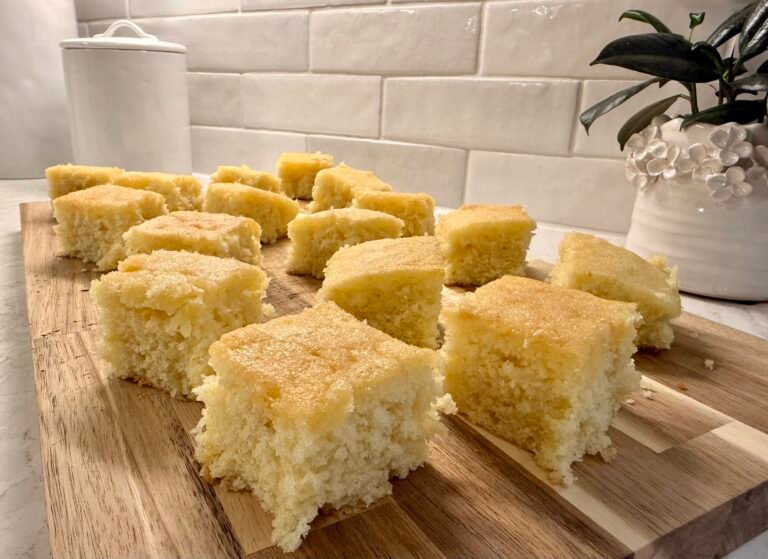
This version is very much a cake: soft, moist and sticky, with a lightly glossy golden syrup finish. I also love how it makes the whole house smell like autumn while it bakes.
What Is British Gingerbread?
In Britain, gingerbread can mean more than gingerbread biscuits or cookies. Traditional gingerbread is often a soft, dark, strongly spiced cake made with treacle or syrup.
This version is rich with ground ginger, cinnamon, nutmeg and cloves, with black treacle adding depth and golden syrup bringing sweetness and that characteristic sticky texture.
It’s especially good with a cup of tea, and although it tastes delicious on the day it’s baked, the texture becomes even stickier after resting.
Key Ingredients
This gingerbread gets much of its distinctive flavor from two classic British ingredients: black treacle and golden syrup.
Black treacle gives the cake its deep color and rich, slightly bittersweet flavor, while golden syrup adds sweetness and a buttery caramel note. I use golden syrup both in the cake and as a light glaze over the top. Brown sugar adds a little extra caramel flavor and helps keep the gingerbread soft and moist.
Spices: Gingerbread is traditionally made with British mixed spice. American pumpkin pie spice isn’t quite the same and tends to be more cinnamon-forward, so I use ginger as the dominant spice, with cinnamon, nutmeg and cloves for warmth without overpowering it.
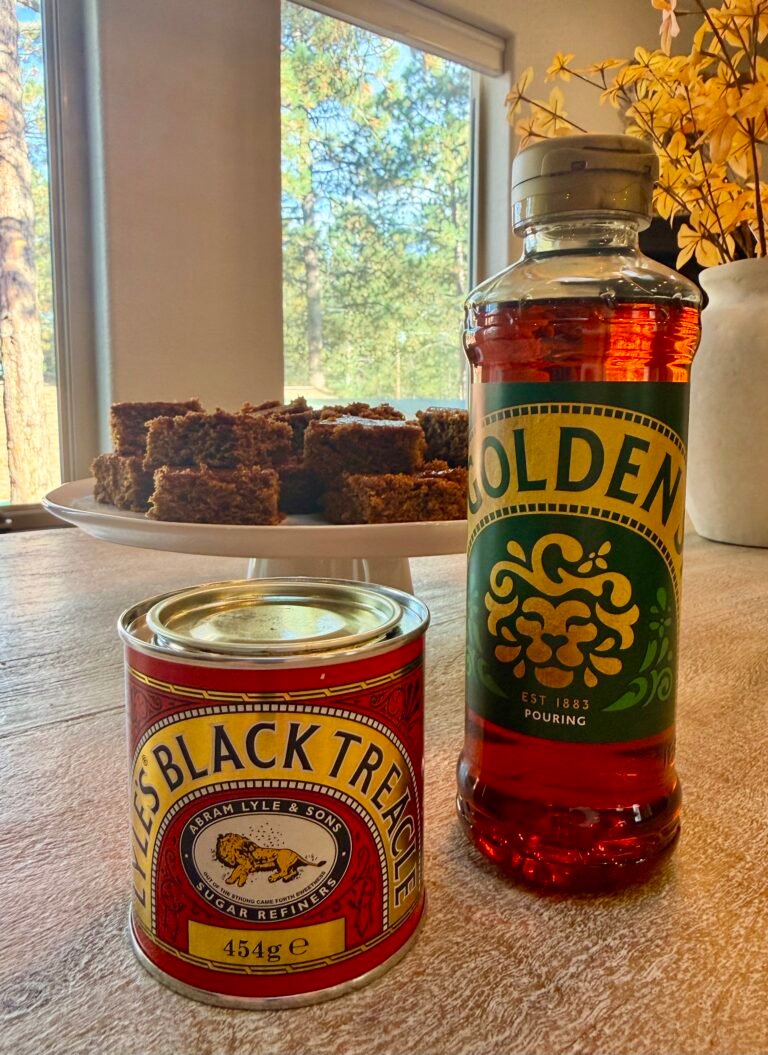
Black Treacle vs Molasses
If you’re baking in the U.S., black treacle may be less familiar. It has similarities to molasses, but the flavor isn’t quite the same.
Black treacle has a rich, dark flavor with both sweet and slightly bitter notes. I use Lyle’s Black Treacle, which is widely available online and can sometimes be found in larger grocery stores.
Molasses can be used as a substitute, but it will give the finished cake a somewhat different flavor.
Golden Syrup vs Corn Syrup
Golden syrup has a distinctive buttery, caramel-like flavor, while corn syrup is much more neutral. I use Lyle’s Golden Syrup, which is easy to find online and is also stocked by some larger U.S. grocery stores. I recommend using golden syrup in this recipe if you can find it.
Once the gingerbread comes out of the oven, I like to brush the top with a little warm golden syrup. It was one of my favorite additions when developing this recipe, and I think it finishes the gingerbread beautifully.
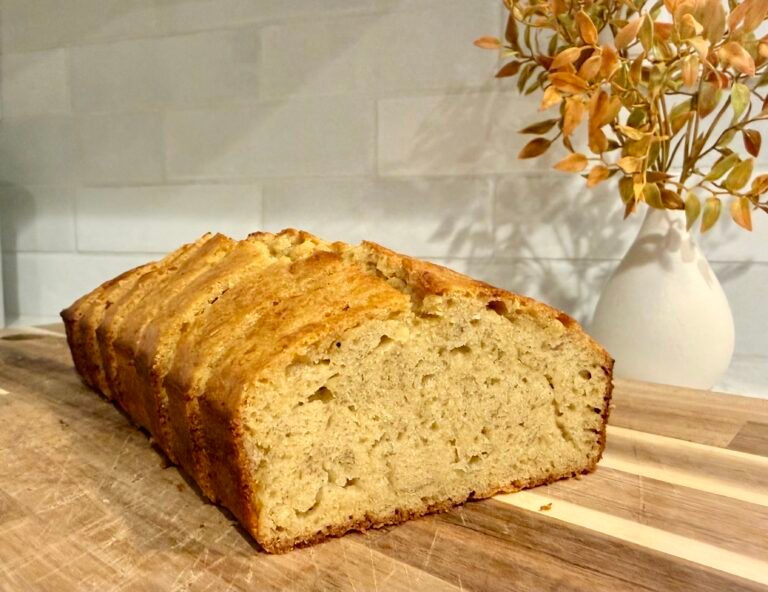
If you enjoy baking with golden syrup, you might also like my Golden Syrup Banana Bread — a moist, rich loaf with ripe bananas and that same caramel-like golden syrup flavor.
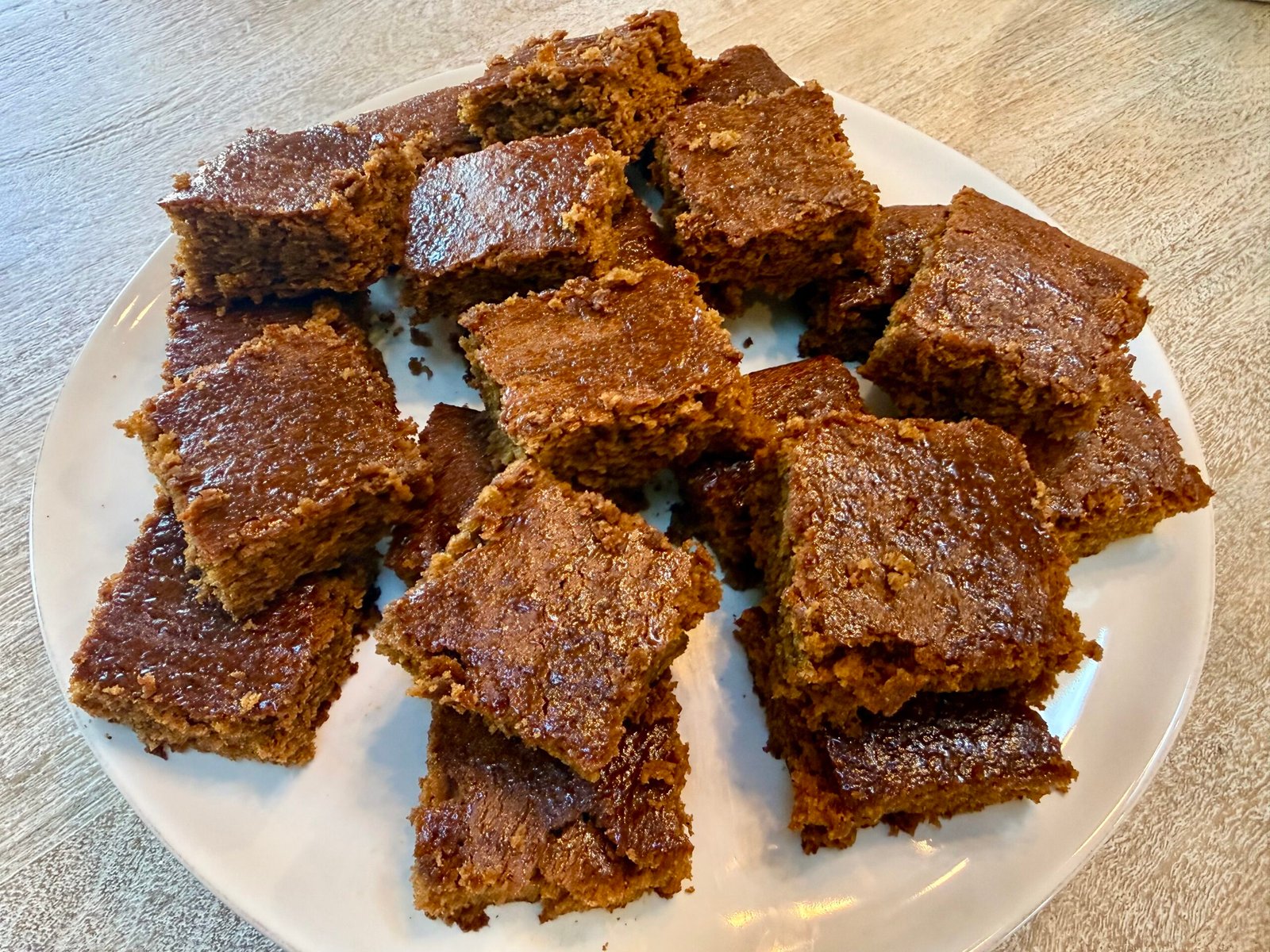
Classic British Gingerbread
Ingredients
Equipment
Method
- Preheat the oven to 375°F conventional. Line a 13 × 9-inch baking pan with parchment paper.
- Add the butter, black treacle, golden syrup and light brown sugar to a small saucepan. Heat gently, stirring occasionally, until the butter has melted and the mixture is smooth. Do not boil.
- Remove from the heat and let cool for 5–10 minutes, until warm rather than hot.
- In a large mixing bowl, whisk together the all-purpose flour, bread flour, baking powder, baking soda, ginger, cinnamon, nutmeg and cloves.
- Pour the treacle mixture into the dry ingredients. Add the whisked egg and milk and stir until mostly combined and smooth. The batter will be fairly loose.
- Pour the batter into the prepared pan and level the surface.
- Place the pan in the oven and immediately reduce the temperature to 365°F.
- Bake for about 25 minutes, or until the center is set and a skewer inserted into the middle comes out clean or with a few moist crumbs.
- Warm 1 tbsp golden syrup slightly and brush it lightly over the top of the warm gingerbread.
- Leave the gingerbread to cool completely in the pan before lifting out and cutting into squares.
Notes
Want more recipes like this?
Get new British-inspired recipes and high-altitude baking tips straight to your inbox.